
As we age, our bodies evolve, and so must our approach to fitness. For me, my life has been deeply rooted in high-performance training as an MMA fighter, bodybuilder, and collegiate baseball player, the transition from intense, sport-specific training to a more sustainable and balanced fitness regimen is both a challenge and an opportunity. This shift is not just about physical adaptation but also about aligning fitness goals with the broader demands of life, including professional responsibilities, family, and personal well-being.
High-performance training, such as that required for competitive sports, is designed to push the body to its limits. It often involves rigorous schedules, intense workouts, and a focus on peak physical performance. However, as I have experienced, this type of training can become unsustainable as the body ages. The wear and tear on joints, muscles, and connective tissues, combined with the natural decline in recovery capacity, necessitate a shift in approach.
Moreover, the priorities of life evolve. For someone who focused on a a different kind of success maybe as an entrepreneur, author, or executive (this sounds familiar), the focus has shifted from excelling in sports to excelling in other aspects of life. This requires a fitness regimen that supports overall health, energy, and mental clarity without compromising the ability to handle life’s other stressors.
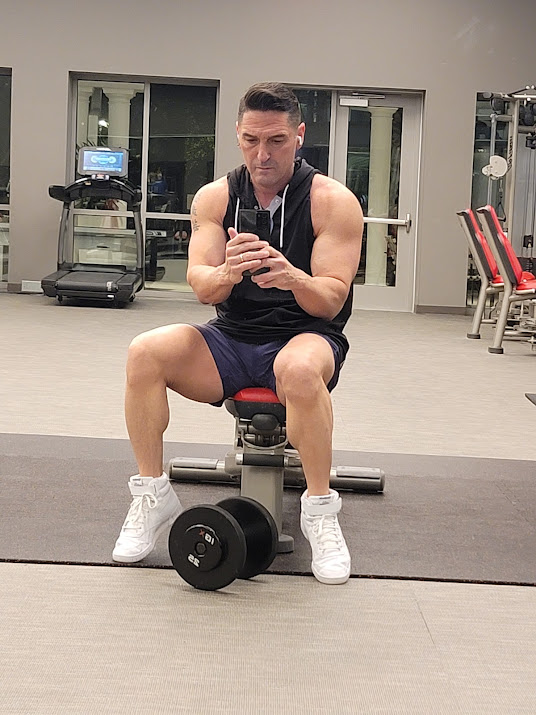
The transition from performance training to sustainable fitness involves a paradigm shift. Instead of training to compete, the goal becomes training to thrive. This means adopting a fitness routine that maintains physical health, enhances mental well-being, and supports the demands of daily life. Here are some key principles to guide this transition:
Prioritize Functional Fitness: Functional fitness focuses on exercises that mimic real-life movements and improve overall strength, balance, and flexibility. This type of training prepares the body for everyday activities and reduces the risk of injury. For me, this might include exercises like squats, lunges, and core stabilization drills.
Incorporate Low-Impact Activities: To protect aging joints and reduce the risk of overtraining, low-impact activities such as swimming, cycling, elliptical and the rowing machine. These activities provide cardiovascular benefits and improve flexibility without placing excessive strain on the body.
Focus on Recovery: Recovery becomes increasingly important with age. Incorporating practices like stretching, foam rolling, and adequate sleep can help the body repair and adapt to training. Recovery is not just about physical rest but also about mental rejuvenation, which is crucial for handling life’s other stressors.
Balance Intensity and Volume: While high-intensity workouts can still be beneficial, they should be balanced with lower-intensity sessions to prevent overtraining. Listening to the body and adjusting the intensity and volume of workouts based on how one feels is essential.
Integrate Mind-Body Practices: Activities like meditation, mindfulness, and breathing exercises can complement physical training by reducing stress and improving mental focus. These practices align well with my holistic approach to life and his emphasis on personal growth and fulfillment.
One of the most critical aspects of this transition is understanding how to balance fitness with the other stressors of life. Overtraining can lead to burnout, while undertraining can result in a decline in physical health. Striking the right balance requires a holistic approach:
Time Management: Allocating specific times for workouts, recovery, and other life activities ensures that fitness does not overshadow other priorities.
Stress Management: Recognizing that stress from work, family, and other sources can impact physical performance is crucial. Adjusting training intensity during high-stress periods can prevent overexertion.
Nutrition and Hydration: Supporting the body with proper nutrition and hydration is essential for recovery and overall health. A balanced diet rich in whole foods can provide the energy needed for both workouts and daily activities.
The transition from high-performance training to sustainable fitness is not about giving up but about adapting. It is an opportunity to embrace a new phase of life with a focus on longevity, health, and balance. For me, this journey reflects my broader philosophy of aligning personal growth with life’s evolving demands. By challenging the body in ways that support overall well-being, I try to influence others to find their own path to fulfillment and success.
The key, I believe to this transition lies in understanding the body’s changing needs, setting realistic goals, and adopting a holistic approach to fitness. By doing so, I can continue to lead active, vibrant life while excelling in my personal and professional endeavors.